
The Long Ears that Built America
As the United States celebrates 250 years of independence, Americans are reflecting on the people, events, and innovations that shaped our nation. Yet hidden in the background of much of that history is an often-overlooked partner: the donkey.
Long before railroads crossed the continent, before highways connected distant communities, and even before the United States existed, donkeys were already helping people survive and thrive in North America. Their strength, intelligence, and endurance made them indispensable companions to explorers, settlers, miners, ranchers, and pioneers. While they may rarely appear in history books, their hoofprints can be found throughout the American story.
Before There Was an America
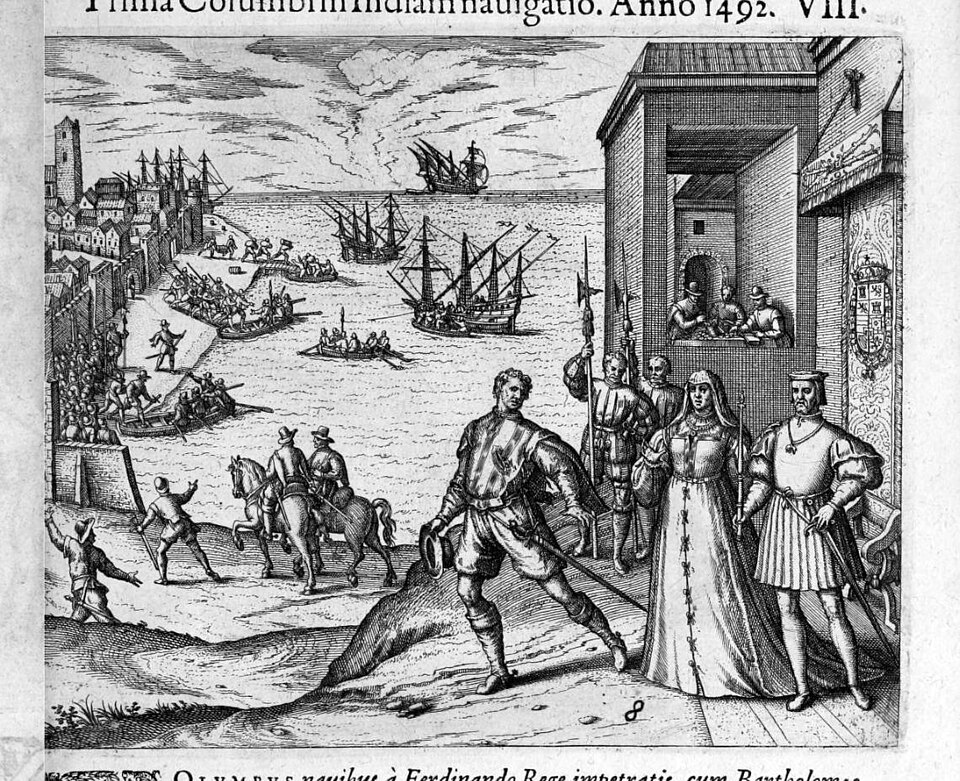
Donkeys first arrived in the Americas with Christopher Columbus during his second voyage in 1495. Along with horses, cattle, sheep, and other livestock, donkeys were brought to the Caribbean colonies established by Spain. From there, they spread throughout the New World alongside Spanish exploration and settlement.
By the 1500s, donkeys had already crossed into what is now the United States with Spanish explorers traveling through present-day Texas, New Mexico, and Arizona. This means donkeys were living and working in North America more than two centuries before the signing of the Declaration of Independence.
Their arrival helped transform exploration of the continent. Donkeys could carry supplies across rugged terrain, survive on sparse forage, and endure harsh conditions that challenged both people and other livestock. In many ways, they were among the earliest working animals to help open the American frontier.
George Washington and America’s First Mules
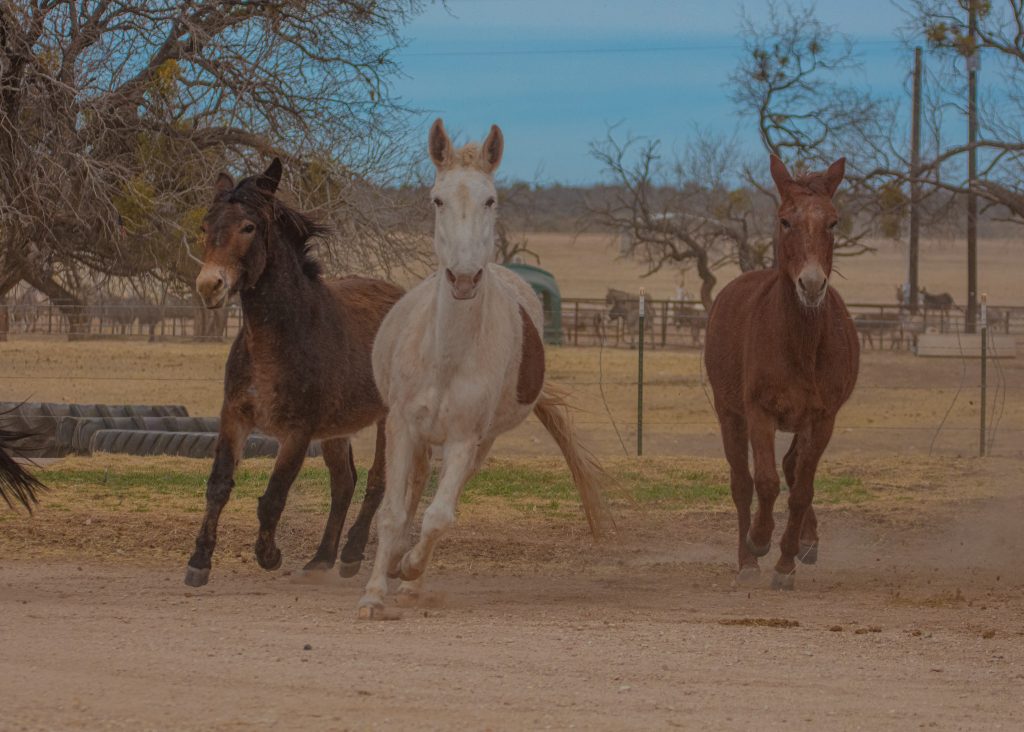
One of the most influential advocates for donkeys in early America was George Washington. Washington believed strongly in improving American agriculture and was fascinated by the potential of mules, which combine the strength of a horse with the hardiness and endurance of a donkey.
At the time, quality breeding donkeys were rare in the young nation. Recognizing Washington’s interest, Charles III sent him a large breeding jack named Royal Gift in 1785. Washington later acquired additional mammoth jacks and began carefully breeding them to large draft mares.
The result was the foundation of the American mule industry. Washington’s breeding program helped establish the larger “Mammoth Jack” type and demonstrated the value of mules for agriculture, transportation, and military use. In later years, millions of mules would work on American farms, canals, roads, railroads, and military supply lines. Today, Washington is often remembered as the Father of Our Country, but most Americans have no idea that Washington was arguably the most influential donkey breeder in early U.S. history.
Partners in Exploration and Settlement
As settlers pushed westward, donkeys accompanied them into some of the most remote and challenging landscapes on the continent. Their ability to navigate rocky trails, steep canyons, deserts, and mountains made them invaluable pack animals.
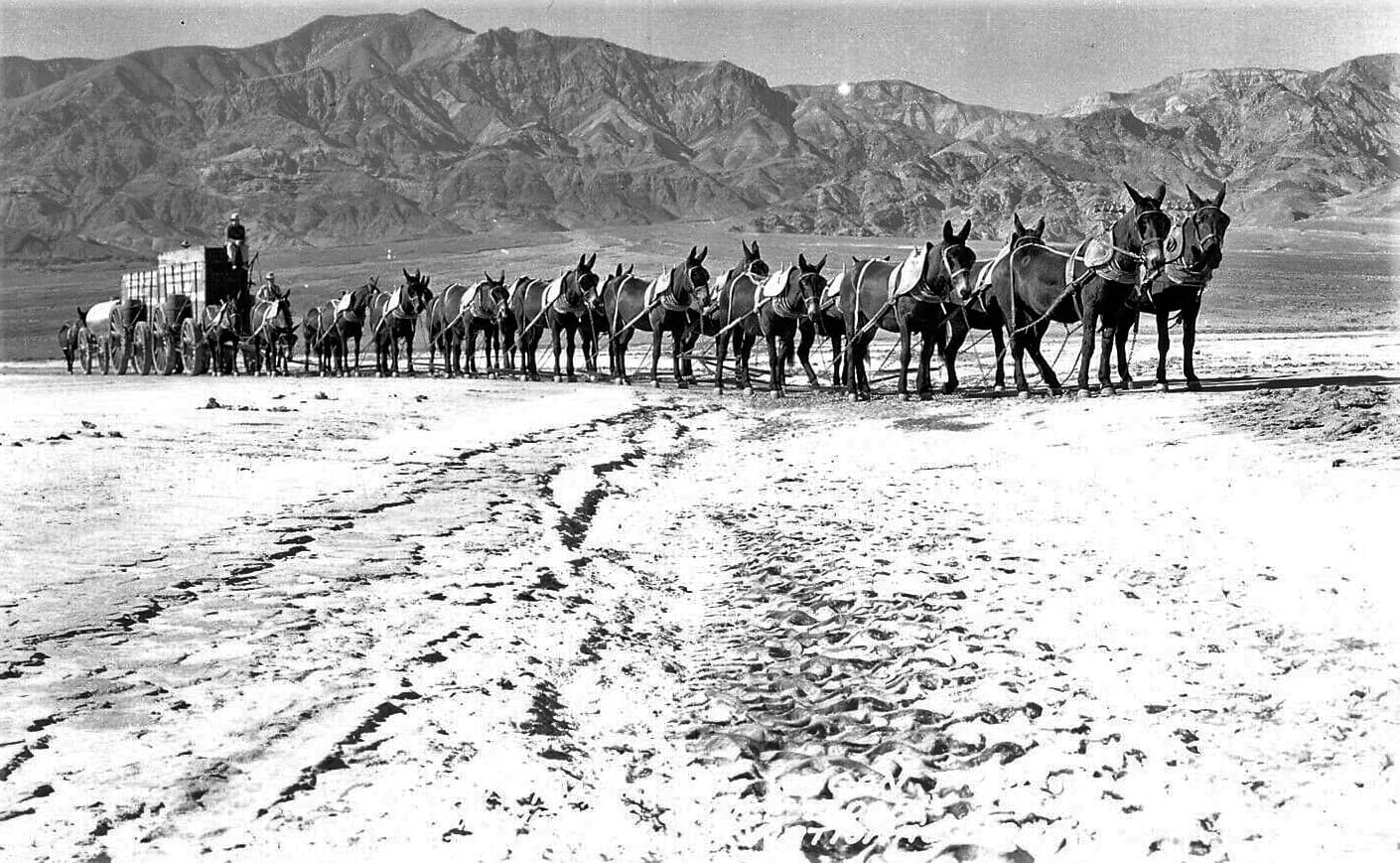
Unlike larger livestock, donkeys required relatively little feed and water while carrying impressive loads. They transported food, tools, mining equipment, mail, and household goods into places where wagons could not travel. For many frontier people, a dependable donkey could mean the difference between success and failure.
Their calm nature and remarkable sure-footedness earned them a reputation as trustworthy companions. While horses often receive the glory in stories of westward expansion, donkeys quietly carried the supplies that made settlement possible.
The Gold Rush and the Burros of the West
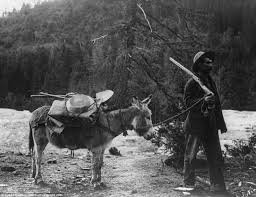
Perhaps nowhere is the donkey’s contribution to America more visible than in the mining camps of the West. During the California Gold Rush and subsequent mining booms throughout the Southwest, prospectors relied heavily on pack burros to transport equipment, food, water, and ore.
The image of a lone prospector leading a burro through the desert became one of the enduring symbols of the American frontier. These hardy animals accompanied miners into California, Nevada, Arizona, Colorado, and countless other regions where rugged terrain challenged both people and machines.
Many prospectors owed their survival to their burros. The animals’ ability to find safe footing, conserve energy, and endure harsh desert conditions often made them more reliable and desirable than horses in difficult country.
When mining operations ended, some burros were released or escaped into the surrounding landscape. Their descendants would eventually become the wild burros that still roam portions of the American West today.
A Living Legacy
As technology replaced animal-powered transportation, the role of donkeys gradually changed. Railroads, automobiles, trucks, and modern equipment reduced the need for pack animals, but the legacy of America’s donkeys never disappeared.
Today, thousands of wild burros continue to live on western range lands, serving as living reminders of the animals that helped shape the frontier. Domestic donkeys still work in agriculture, provide companionship, and enrich the lives of countless families.
At Peaceful Valley Donkey Rescue, we encounter that legacy every day. Whether a donkey descended from working stock, a former companion animal, or a wild burro gathered from public lands, each animal represents a chapter in a story that stretches back more than 500 years on this continent.
Remembering the Long Ears That Helped Build a Nation
As you can see, donkeys have been part of the American story from the very beginning. They arrived centuries before the United States was founded and became
indispensable partners in exploration, settlement, agriculture, transportation, and industry. From carrying supplies across unmapped terrain to helping establish the American mule industry, donkeys worked alongside generations of determined people striving to build a better future.
The people of those eras are still remembered today. We celebrate explorers, pioneers, miners, soldiers, ranchers, and presidents whose efforts shaped the nation. Their stories live on in books, museums, monuments, historic sites, and even modern culture. The San Francisco 49ers still carry the name of the prospectors who flooded west during the Gold Rush, while preserved trails, forts, and mining towns commemorate the hardships and triumphs of frontier life. Yet standing beside many of those celebrated figures was a donkey, carrying the tools, food, water, and supplies that made their achievements possible.
For centuries, donkeys quietly shouldered the burdens of a growing nation. They crossed deserts, climbed mountain passes, hauled ore from mines, delivered mail to remote settlements, and supplied the farms and ranches that fed expanding communities. Their contribution may not be memorialized in statues or stadiums, but their legacy endures. The next time you meet a donkey, remember that you are looking at a living connection to the animals that helped build America, one sure-footed step at a time.