
New World Screwworm: What All Animal Owners Need to Know Right Now
New World Screwworm: What All Animal Owners Need to Know Right Now
There are some threats that arrive like thunder. Others arrive like a single fly at the fence line. The New World Screwworm is the second kind, and it deserves serious attention.
Recent reports confirm a New World screwworm case in Nuevo León, Mexico, roughly 60 miles from the Texas border. At this time, it is not currently present in the United States, but the movement north has ranchers, pet owners, veterinarians, and animal rescues watching closely.
What Is the New World Screwworm?
Despite the name, this is not a worm. It is the larval stage of the fly Cochliomyia hominivorax. Adult flies seek out wounds, navels of newborns, surgical sites, tick bites, ear tags, branding marks, or natural openings. They lay eggs there. When those eggs hatch, the larvae feed on living tissue, not dead tissue.
That is what makes screwworm so dangerous.
Unlike many maggots that consume dead material, screwworm larvae burrow deeper into healthy flesh, enlarging wounds and causing severe pain, infection, tissue destruction, weakness, and sometimes death if untreated. It can affect livestock, horses, pets, wildlife, and in rare cases, humans.
Why the Name “Screwworm”?
The larvae have rows of spines and a twisting, screw-like motion as they burrow into tissue. It is one of those names that sounds dramatic because it earned it.
How Was It Eradicated Before?
The United States eliminated screwworm through one of the most successful pest-control programs in agricultural history using the Sterile Insect Technique. Scientists mass-produced screwworm flies, sterilized the male flies, and then released those sterile males in massive numbers into affected areas. Wild female flies mated with them, but because no offspring were produced, the population began to shrink generation after generation until it eventually collapsed. This strategy helped eradicate screwworm from the United States in the 1960s and later pushed the protective barrier farther south. Ongoing international control efforts have continued for decades.
Why Is It Back in the Headlines?
Because it is moving north again through Mexico.
USDA and animal health officials are actively tracking detections, updating maps, deploying surveillance traps, and releasing sterile flies to suppress spread. Recent detections in northern Mexico, including areas near the Texas border, are why concern has escalated.
What Is Being Done to Protect the U.S.?
Multiple layers of defense are already in motion:
Surveillance
Thousands of traps and monitoring points are being used to detect fly movement early.
Sterile Fly Releases
Millions of sterile flies are being dispersed to interrupt breeding cycles in affected regions.
Import Controls and Border Measures
Livestock movement restrictions and port closures have been used to reduce risk of accidental introduction.
Facility Expansion
Additional sterile fly production capacity is being developed, including projects tied to Texas and Mexico operations.
What Animal Owners Should Watch For
Early detection matters. Check animals regularly, especially those with wounds or recent procedures.
Warning Signs of Screwworm Infestation
- Wounds that get larger instead of healing
- Foul odor from a wound
- Bloody or wet discharge
- Visible maggots in a wound
- Sudden pain or irritation
- Head shaking or rubbing
- Depression or weakness
- Reduced appetite
- Animals separating from the herd
- Newborns with irritated navels
Animals at Higher Risk
- Newborn animals
- Animals with cuts or abrasions
- Recent surgical patients
- Recently castrated animals
- Recently branded animals
- Animals with tick bites
- Animals with untreated skin conditions
- Outdoor pets in endemic-risk areas
How to Protect Your Animals Now
Think of biosecurity as locking the gate before the storm arrives. Protecting your animals starts with consistent daily habits and careful observation. Inspect animals routinely, and clean and treat any wounds promptly before they attract flies. Keep birthing areas clean, closely monitor the navels of newborns, maintain strong fly control programs, and keep pens, stalls, and bedding sanitary. Reduce standing moisture whenever possible, and isolate any suspicious cases until they can be properly evaluated. For ranches, rescues, and larger operations, it is wise to increase wound checks during busy working seasons, recheck post-surgical animals daily, train staff to recognize the signs of screwworm, have a veterinarian response plan ready, and document suspicious lesions with photos and dates so concerns can be tracked and reported quickly.
Fly control is one of the simplest and most effective ways to reduce risk. While no fly program can guarantee prevention of New World Screwworm, lowering overall fly pressure helps make your property less attractive to pests and supports better wound management. Use approved fly control products as directed, remove manure regularly, keep feed areas clean, eliminate standing water when possible, and maintain dry, sanitary pens or stalls. Fans, traps, manure management, and seasonal treatment plans can all be valuable tools. In short, fewer flies means fewer opportunities for trouble to land.
What To Do If You Suspect It
Do not wait for “maybe tomorrow.”
- Isolate the animal if practical
- Contact your veterinarian immediately
- Follow state animal health reporting guidance
- Preserve samples if instructed
- Check herd mates and nearby animals
Fast reporting is one of the strongest tools we have.
Important Reminder
There is no confirmed U.S. outbreak at this time. Concern does not mean panic. It means vigilance.
The goal right now is simple: detect early, respond fast, and keep this pest from regaining a foothold.
Stay Informed With Official Updates
Because the New World Screwworm situation can change quickly, animal owners should rely on official sources for the most current maps, detections, movement restrictions, and response efforts. The best resource for updates is the USDA Animal and Plant Health Inspection Service screwworm information page, which provides current status reports, guidance for livestock owners, and prevention resources. State animal health agencies, such as the Texas Animal Health Commission, are also valuable sources for regional alerts and reporting instructions. Checking trusted sources regularly can help you respond early and make informed decisions if conditions change near your area.
If you are a resident of Texas, report suspected cases in livestock: TAHC – Veterinarian on Call 1-800-550-8242.
Final Thought
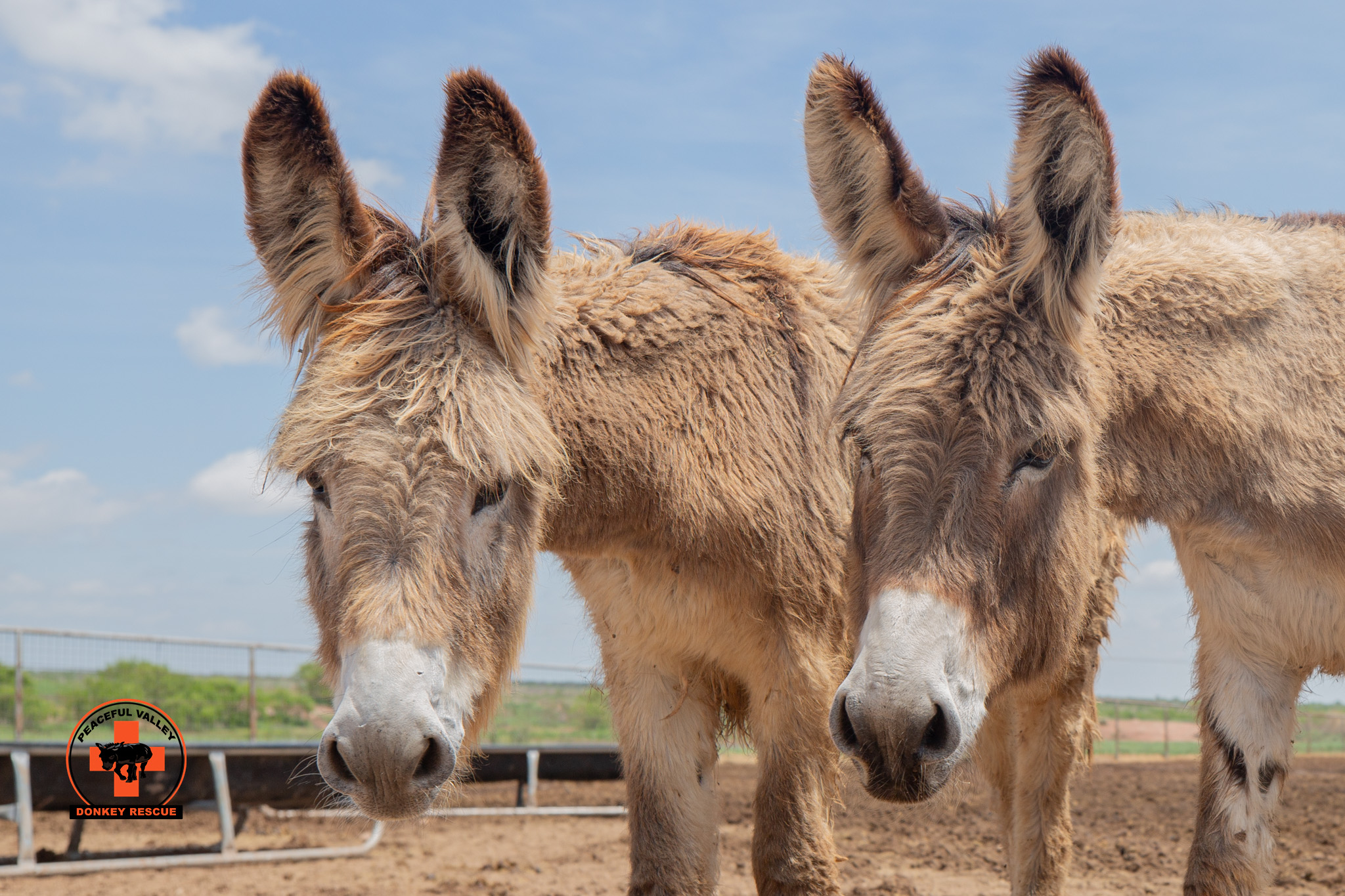
While this article is written with donkey owners and caretakers in mind, New World Screwworm is not a donkey-only threat. It can affect horses, cattle, goats, sheep, pigs, dogs, cats, wildlife, and many other warm-blooded animals. Donkeys deserve special attention because they often hide pain and discomfort well, meaning a problem may be more advanced before obvious signs appear. Whether you care for one donkey in a pasture, a herd of livestock, household pets, or simply value local wildlife, vigilance matters. Protecting donkeys also means protecting every animal that shares the landscape.
A healthy pasture can look peaceful while danger buzzes at the edges. Good animal care has always included feed, water, shelter, and observation. Right now, observation just became a little more valuable.