Peaceful Valley Donkey Rescue
Our Key Projects
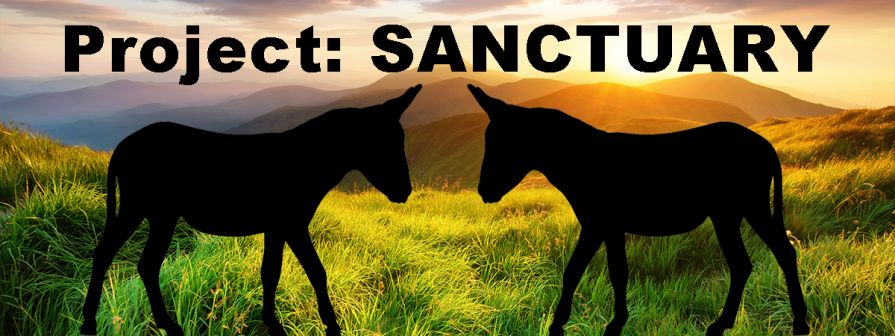
Peaceful Valley Donkey Rescue (PVDR) leads several key initiatives to protect and care for donkeys. The Wild Burro Project rescues and rehomes wild burros, giving them a safe and loving second chance. The Donkey History Museum celebrates donkeys’ contributions throughout history and educates visitors on their ongoing challenges. Project: Sanctuary provides lifelong care for donkeys who cannot be adopted, ensuring they live out their days in safety and comfort.

Donkeys of the Caribbean
The second film project from Director Mark S. Meyers and Cinematographer Mike Brown dives into the complex and often divisive subject of the donkey populations living on many islands throughout the Caribbean. On some islands they are a tourism boon, on others an ecological threat.
Cases
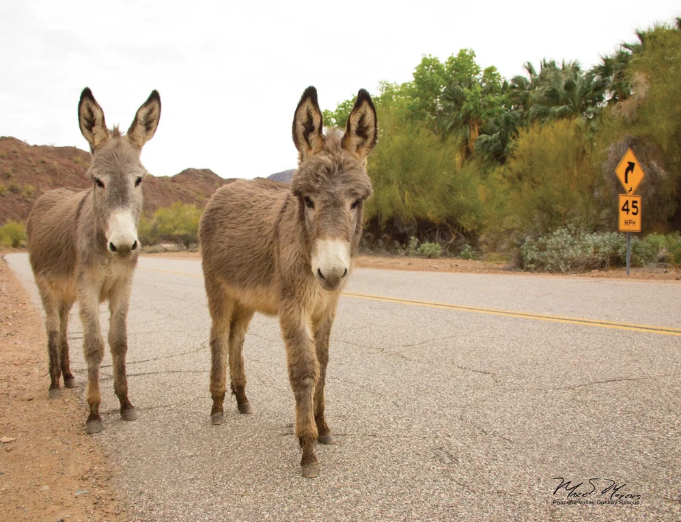
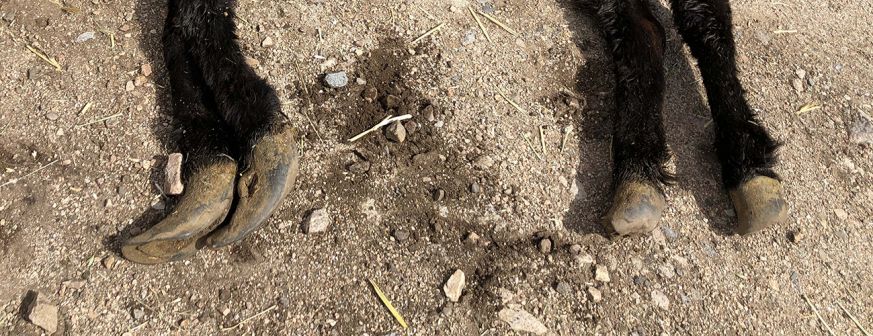
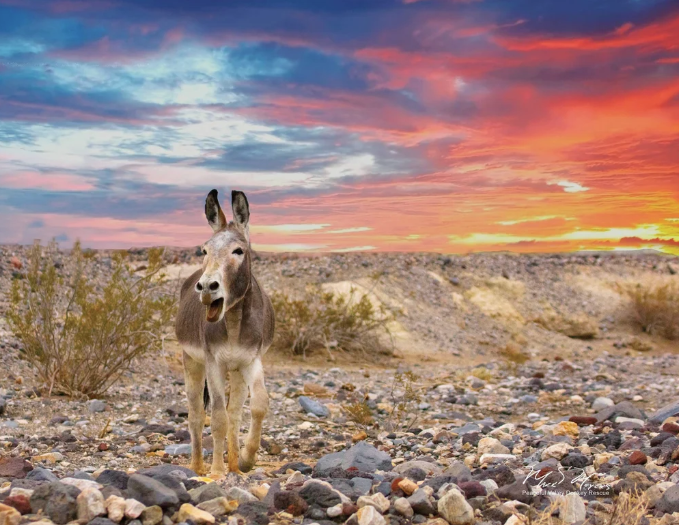
PVDR has supported large-scale and complex equine welfare cases, including the San Bernardino seizure, the Olancha hoarding rescue, and the care and placement of over 3,000 BLM sale burros. Through coordinated response, rehabilitation, and rehoming efforts, PVDR helps ensure vulnerable animals receive the care and second chances they deserve.
San Bernardino
Olancha Hoarding Case
3,000 BLM Sale Burros
Without A Voice: The Eradication of Australia’s Wild Donkeys
From Director Mark S. Meyers and Cinematographer Mike Brown comes Without A Voice: The Eradication of Australia’s Wild Donkeys. As the Western Australian government moves to eliminate millions of wild donkeys, one family stands in defiance, fighting to protect the last remaining 150 from extinction. Filmed in Kachana Station and Kununurra, WA, and Darwin, NT.
PVDR No Plastic Pledge
The Peaceful Valley Donkey Rescue has taken a stance against the use of single-use plastic. Our world is literally drowning in plastic, and we need to stop it and make a stand. It is too easy to make other choices and say no to plastic. Just say “I am going to choose a reusable bottle” or “I am going to buy aluminum”. Petroleum-based plastic is bad for you, it is bad for the environment, and it is bad for the donkeys.
More Facts
1. The world generates 400 million tonnes of plastic waste a year
2. The US produces 42 million metric tons of plastic every year, the highest in the world
3. More than 8 million tonnes of plastic enter the oceans every year
4. Ocean plastic pollution on track to rise to 29 million metric tons by 2040
5. 100,000 animals die from plastic entanglement each year
6. Humans ingests 5 grams of plastic every week from earth.org
7. Plastics set to release more GHG emissions in the US than coal by 2030
8. Covid-19 has added 25,900 tonnes of plastic pollution in the ocean
Photos